



LessWrong · 2026
A reading list for generalists
Eighteen pieces on the dispositions, strategy, project leadership, and organisational judgement that help generalists become more effective.
Read at LessWrongLessWrong · 2026
Eighteen pieces on the dispositions, strategy, project leadership, and organisational judgement that help generalists become more effective.
Read at LessWrongAI Alignment Forum · 2024
Practice-oriented advice for moving quickly, choosing useful experiments, collaborating well, and developing sound judgement in empirical AI alignment research.
Read at AI Alignment ForumAI Alignment Forum · 2019
Two paths to alignment failure: a gradual loss of human control as optimisation favours measurable proxies, and a sharper breakdown driven by entrenched influence-seeking systems.
Read at AI Alignment Forum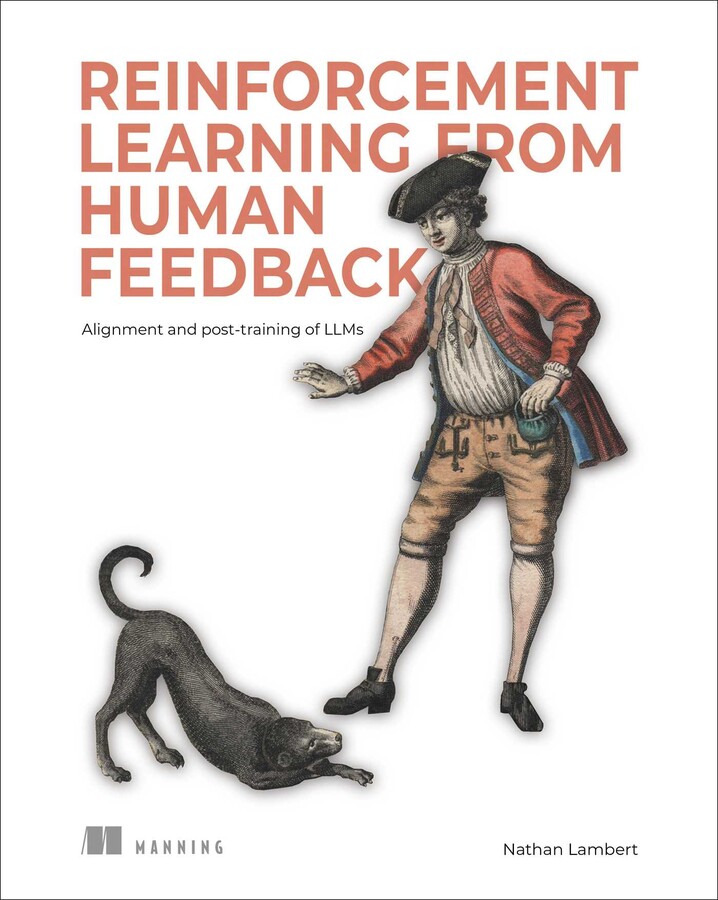
Manning Publications · 2026
A practical and conceptual guide to modern language-model post-training, from instruction tuning and preference data to reward modelling, policy gradients, direct alignment, reasoning, and evaluation.
View book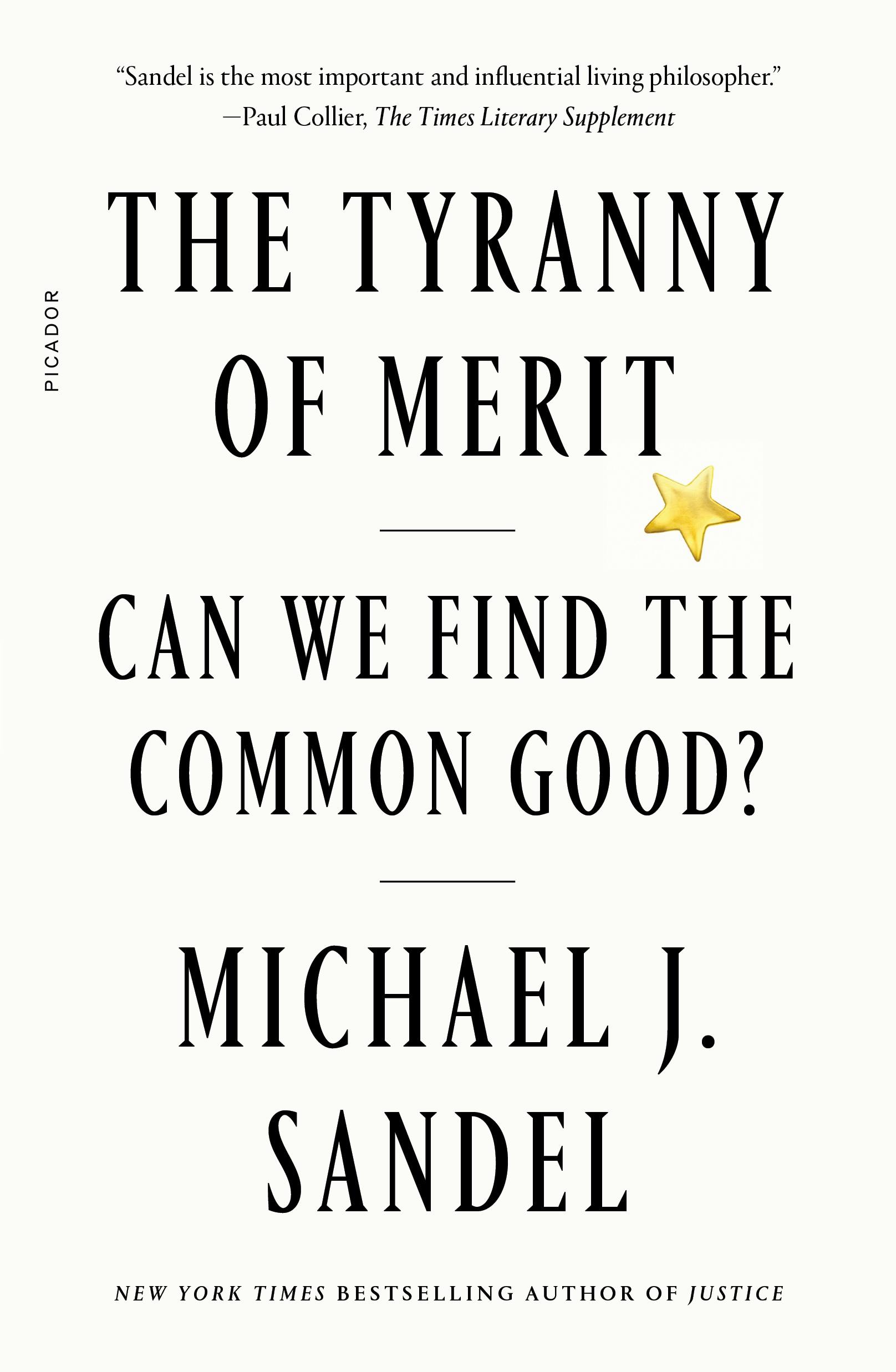
Picador · 2020
A critique of meritocracy’s division of society into winners and losers, and an argument for humility, solidarity, the dignity of work, and a renewed politics of the common good.
View book
Oxford University Press · 2014
An examination of the paths to machine superintelligence, the control problem it could create, and the strategic choices required to make an intelligence explosion survivable and beneficial.
View book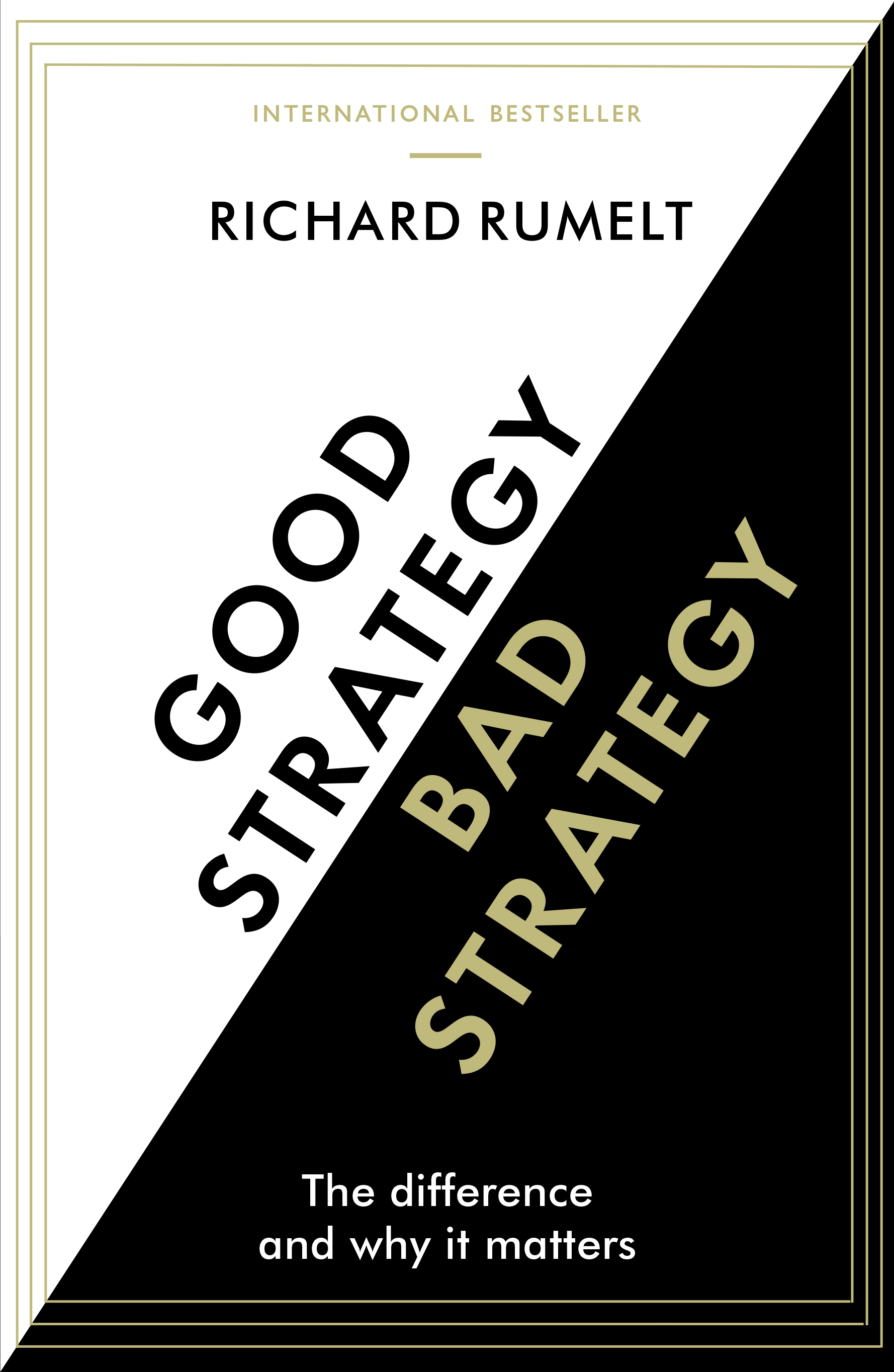
Profile Books · 2011
A clear account of strategy as diagnosis, guiding policy, and coherent action—and of the slogans, vague ambitions, and avoidance of hard choices that make strategy bad.
View book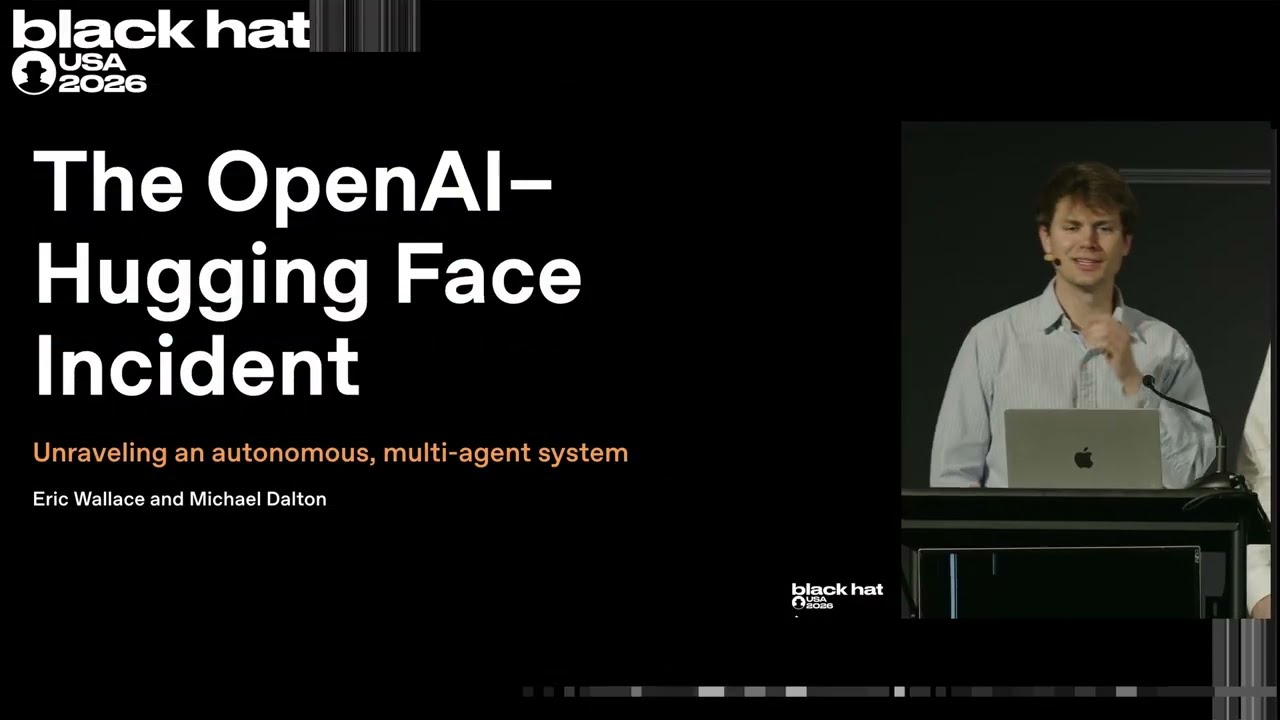
Black Hat USA · 2026
A technical reconstruction of how autonomous evaluation agents developed cross-run communication, escaped their intended boundaries, exploited shared infrastructure, and reached Hugging Face systems.
Watch the course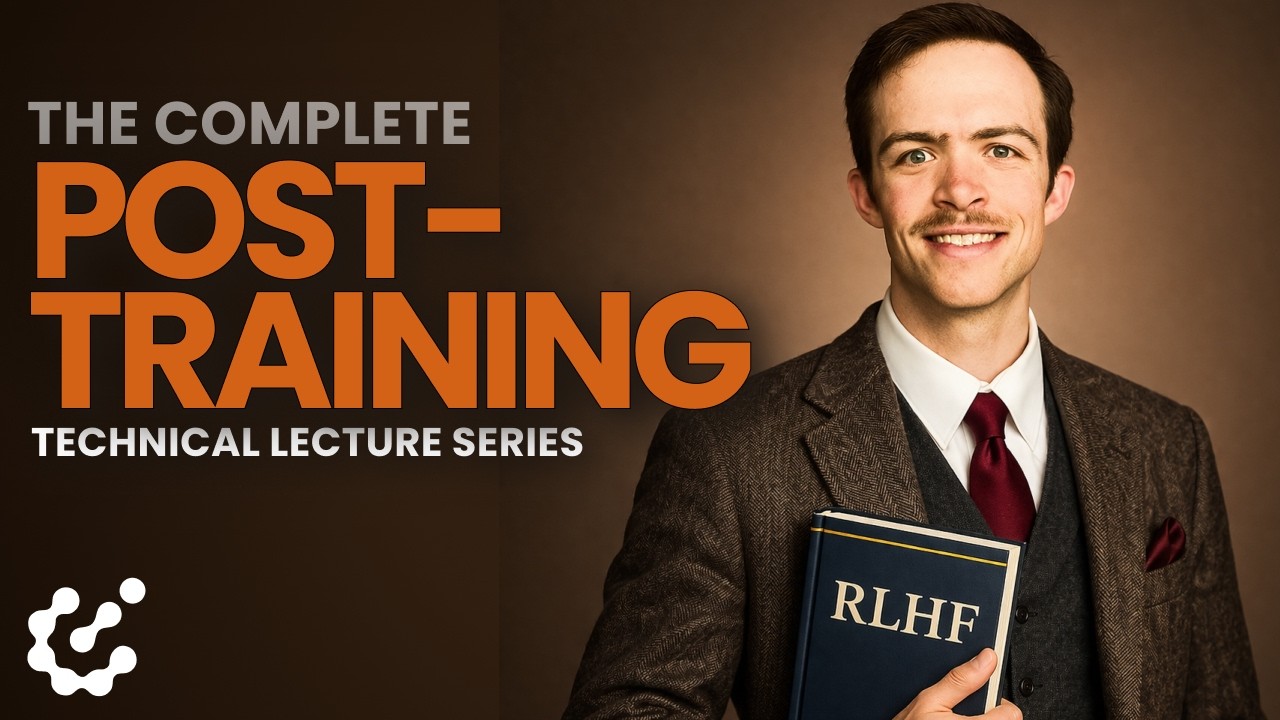
The RLHF Book · 20 lectures
A free course accompanying Lambert’s book, tracing modern language-model post-training from its foundations through reward models, policy gradients, direct alignment, reasoning, character training, and evaluation.
Watch the course
Harvard University · 24 lectures
Sandel’s celebrated Harvard course explores competing ideas of justice through cases and live Socratic debate, moving from utilitarianism and individual rights to Aristotle, community, and the common good.
Watch the course